How Josh Newman is turning work insights into practical AI guidance at WPP

LinkedIn
Josh Newman
Read time

1 min

Industry

Advertising · Marketing · Communications

Blog Post Body

Table of contents

See AI Work Design in action

See a 3-min platform tour

See how Fortune 100 companies are using Reejig to redesign how people and agents work together.

Meet Josh Newman

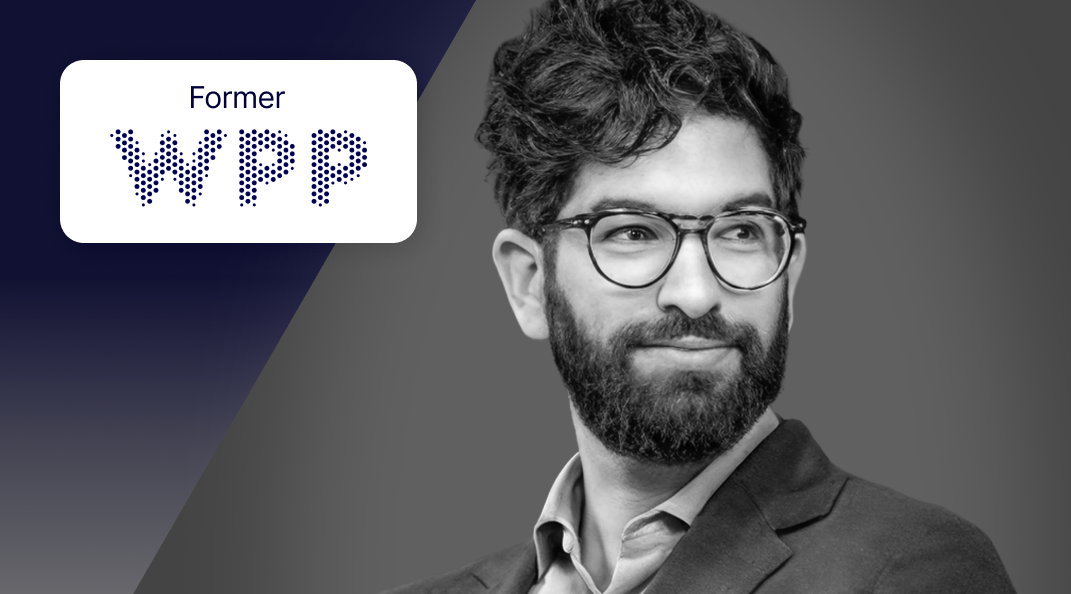
Josh Newman, Former Global Head of People Strategy & Experience at WPP, believes people leaders need to understand how work gets done and how the business makes money. That knowledge gives HR a stronger basis for shaping decisions about AI, employee development, and the organization’s direction.

His approach looks beneath job titles to connect tasks with the workflows and technology people use. Broad estimates of AI’s potential are a starting point. Leaders also need guidance they can apply within their own business.

Working with Reejig, Josh’s team developed role-specific playbooks connected to WPP’s workflows and WPP Open technology. His ambition is to help leaders make informed decisions about how work, teams, and career development should change together.


"The work that we’ve done together has given us the insights and credibility that we might not have had in the past to have that work architecture, business model redesign conversation.”

Want to see the platform his team uses? 3-minute product tour:  See AI Work Design in action →

The transformation story

Putting his approach into practice

The board asked how AI would change WPP

The work began with a question from WPP’s board: what would the organization’s workforce look like as AI changed the business?

For Josh, answering that required a clearer understanding of the work behind WPP’s roles. Across a decentralized organization, job titles alone couldn’t provide that picture.

The business was already redesigning workflows through the technology it was building. Josh saw the implications extending into how teams were organized, what people needed to learn, and how their responsibilities might evolve.

An internal model organized the job data

Josh’s team partnered with an internal machine learning engineer to build a model using WPP’s job architecture and available workflow information.

The model helped consolidate approximately 55,000 job titles down to around 5,000. Further consolidation produced roughly 600 role archetypes, making the work easier to examine across the organization.

Changing employees’ job titles was not the objective. Josh wanted a clearer basis for understanding what people did and where AI could support their work.

The initial analysis connected tasks with broad categories of AI technology and estimated the capacity those technologies might create.

Business leaders questioned what to do next

When the team shared the analysis, business leaders recognized the tasks. But they questioned how the capacity estimates had been calculated and what they were supposed to do with the findings.

That feedback exposed the gap between identifying potential and giving leaders practical direction.

Josh needed to deepen the validation and connect recommendations with WPP’s actual workflows and tools. The analysis had to help a leader understand what could change in their part of the business and how to act on it.

That became the turning point in WPP’s partnership with Reejig.

Reejig helped turn the analysis into role-specific playbooks

WPP worked with Reejig to validate the work in greater detail and develop playbooks incorporating its own workflows and technology.

The recommendations could then connect a particular role with relevant tools within WPP Open. That gave leaders more specific guidance than a broad suggestion to apply AI to a category of tasks.

The work also strengthened Josh’s contribution to conversations about business-model redesign. Understanding the work gave his team evidence to discuss how workflows, team structures, and employee development could change.

Estimated capacity gains helped inform those conversations. Realizing the opportunity would depend on how the work was redesigned and how people were supported to use the tools.

“The goal is more purpose-driven work and better client outcomes.”
Next: rethinking careers alongside the work

Josh’s focus extends to what changing work means for the employee journey.

As AI reshapes tasks, WPP is exploring how career development might evolve, including opportunities for junior employees to gain exposure to higher-level work through rotational programs.

Josh also sees a need to help clients understand and prepare for changes in how agency work gets delivered.

His approach connects those longer-term questions with a practical foundation: understand the work, validate the opportunities, and give leaders guidance they can use. The aim is to help people spend more time on meaningful work that benefits clients while developing the expertise their changing roles require.

The work intelligence behind the approach

Reejig helped WPP deepen its work analysis and create role-specific playbooks linked to its own workflows and WPP Open technology. That gave Josh’s team a stronger foundation for discussing how the business and workforce could evolve together.

The work that we’ve done together has given us the insights and credibility that we might not have had in the past to have that work architecture, business model redesign conversation.

Josh Newman, WPP
Want to see the platform his team uses? 3-minute product tour: Start the tour →

What other leaders can take from this

Lessons for leaders

01
Look beneath job titles
Examine tasks and workflows to understand how AI could change roles and teams.
02
Make recommendations specific enough to use
Connect the analysis with the tools and workflows available inside the business.
03
Redesign development alongside the work
Consider how people will build experience and progress as their responsibilities change.