 Platform Overview
The Work OS for AI-powered Work
 Work Architecture
Live entity model of your enterprise
 Map
Build the Work Context Graph
 Analyze
Your GPS for reinvention
 Build
Workflows + agents
 Run
Deliver the new way of working
 Measure
Track real, board ready ROI
 Log
Source of truth · audit trail
 Update
Keep architecture current
Reejig x Workday
Unlock more value from Workday with AI Work Design.




0:00
0:00
WATCH THE PIONEER STORY
Blog Post Body
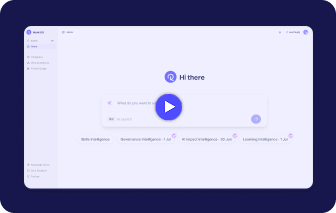
See AI Work Design in action
The platform top Fortune 100 companies use to redesign how people and agents work together. Watch it now.
Behind the transformation
How Josh worked with Reejig to move from 55,000 job titles to 600 role archetypes validated against real workflows.

The work that we’ve done together has given us the insights and credibility that we might not have had in the past to have that work architecture, business model redesign conversation.
Learn how leaders like Josh use Reejig to understand work, prove value and scale AI work design.
Book a demo →

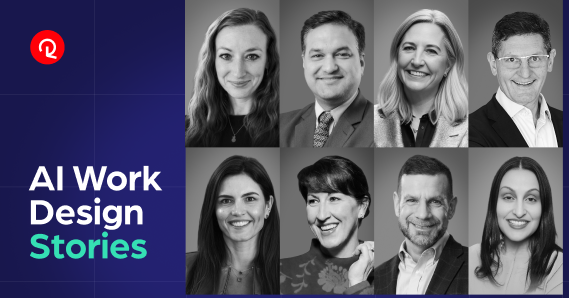
How Abby Rich is building Medtronic's in-house team to redesign work
How Medtronic's Abby Rich is building internal expertise to redesign work and help people succeed alongside Al.

How Sarah Bernstein is building learning into every redesigned workflow
How Lumen’s Sarah Bernstein is connecting workflow redesign with the learning people need to work differently.

How Dennis Di Lorenzo is grounding Micron’s skills strategy in real work
How Micron’s Dennis Di Lorenzo is connecting learning and workforce decisions to the work behind each role.