


 Platform Overview
The Work OS for AI-powered Work
Platform Overview
The Work OS for AI-powered Work
 Work Architecture
Live entity model of your enterprise
Work Architecture
Live entity model of your enterprise
 Map
Build the Work Context Graph
Map
Build the Work Context Graph
 Analyze
Your GPS for reinvention
Analyze
Your GPS for reinvention
 Build
Builder Studio · Workflows + agents
Build
Builder Studio · Workflows + agents
 Run
Deliver the new way of working
Run
Deliver the new way of working
 Measure
Track real, board ready ROI
Measure
Track real, board ready ROI
 Log
Source of truth · audit trail
Log
Source of truth · audit trail
 Update
Keep architecture current
Update
Keep architecture current

Author
Reejig

Read time
8 mins

Published
Aug 4, 2026
Blog Post Body
AI Work Design Blueprint
The responsibilities every CHRO must own to lead AI Work Design and build internal capability.
Reejig brings leaders together with one promise: to learn, together, how to build the way the world works. No one has all the answers, but together we can listen, learn and iterate on each other's learnings.
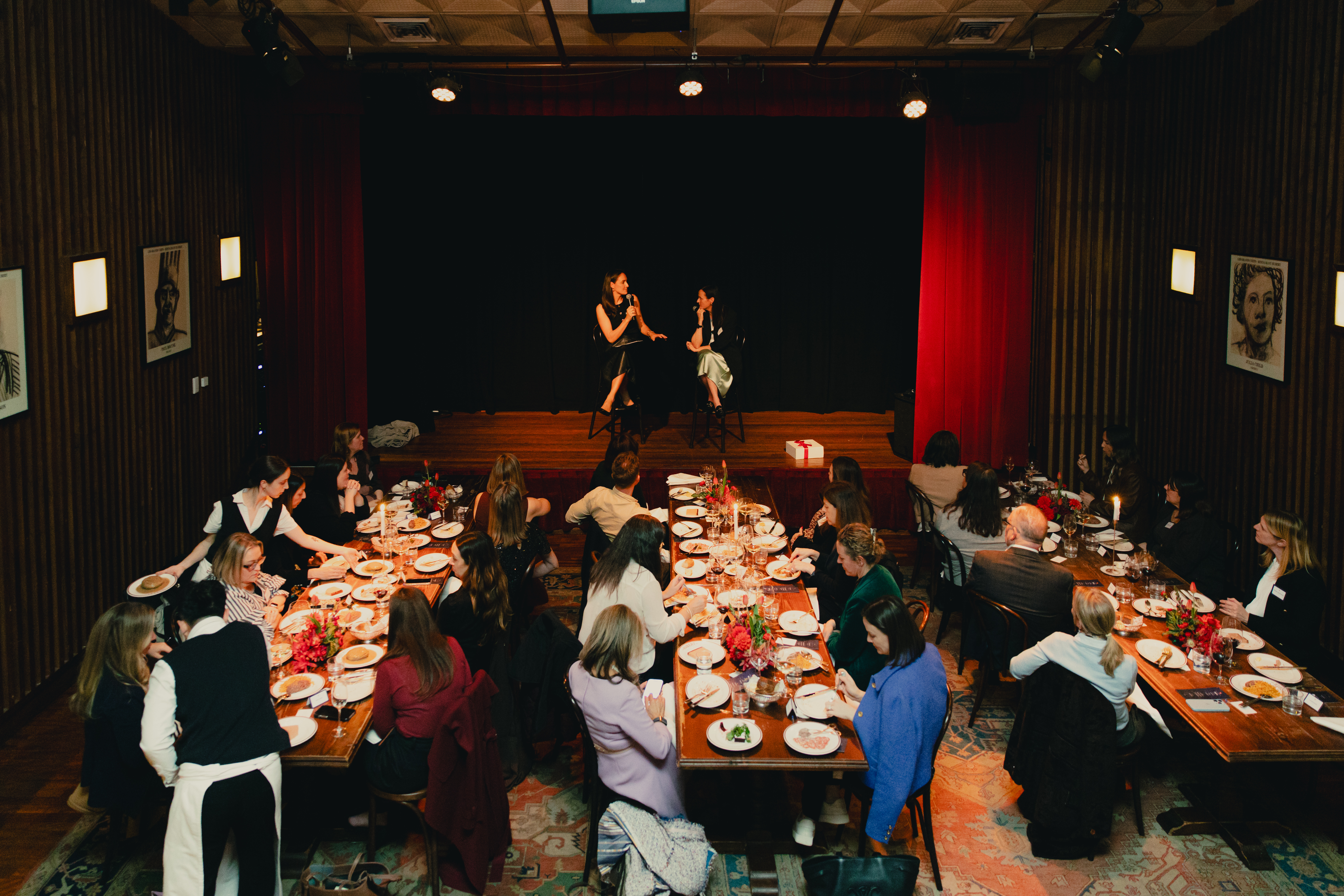
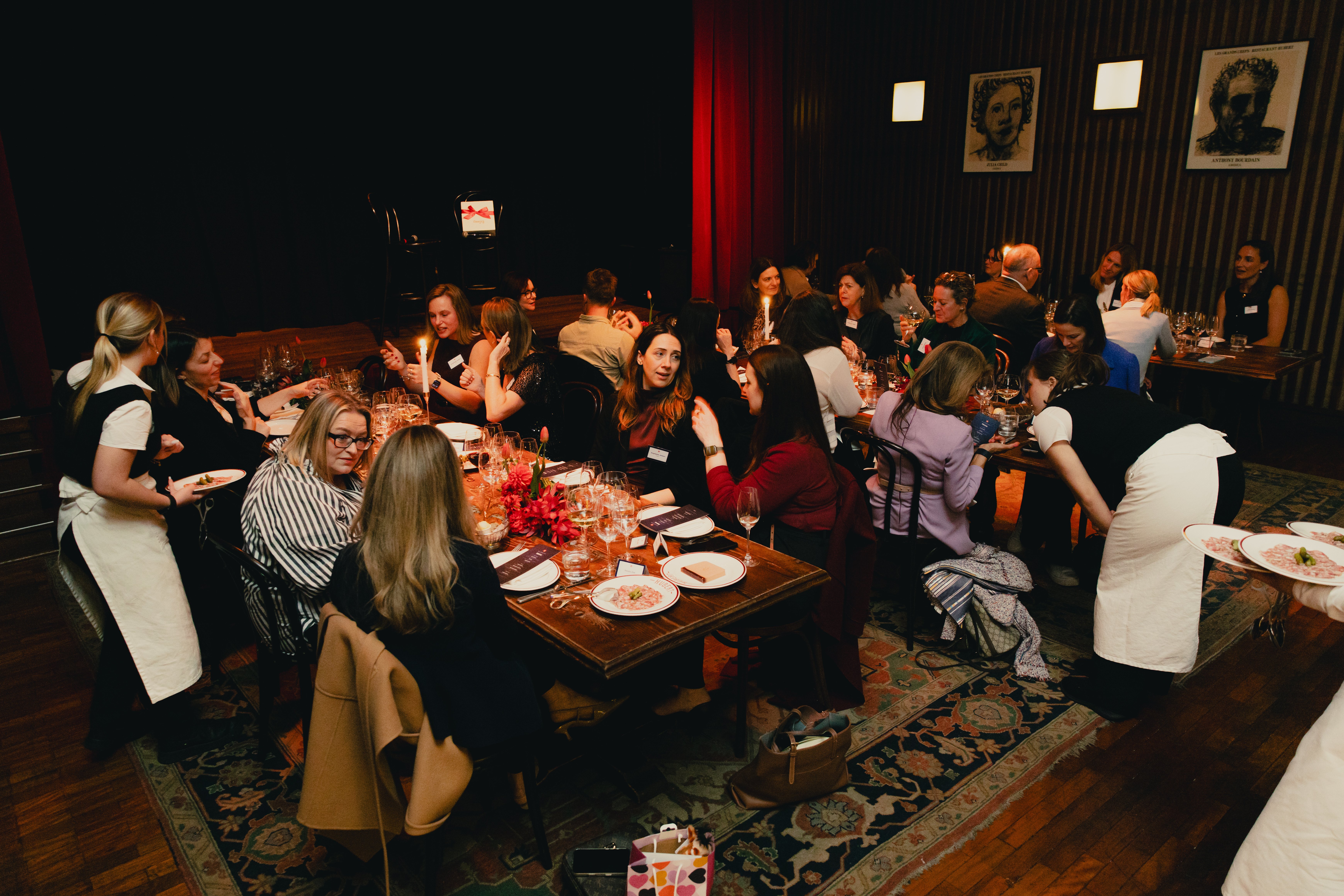
Last week, over dinner with our CEO Siobhan Savage visiting from New York, we gathered enterprise leaders from across Australia around one question: how do we build capability - in our organizations and our schools - so no one is left behind in the AI era?
Here's what came out of the conversation.
What we're seeing right now in the market
The signals from inside the world's biggest enterprises, in brief:
- Pilots are over - it's production now. The banks and pharma companies that spent a year stalled in governance are clearing it, and once they do, they move fast. The risk has flipped: the danger isn't moving too early, it's still experimenting while peers operationalize.
- The mandate is merging. CIOs are starting to report into CHROs, with one leader forming underneath accountable for both people and agents - a Chief Workforce Officer. For HR, this isn't a seat at the table. HR is the table.
- "Token shock" is forcing discipline. Companies that cut roles too early found the token cost of running the agents came in higher than the humans they'd replaced. Cue a healthy pause.
- Cost-cutting is giving way to value creation. The smarter question isn't "who do we remove?" - it's "how do we hold the cost base steady and redesign the work to make more?"
- AI's best use is deeply human. In healthcare as an example, most of a nurse's role is admin. Move that to agents and you give nurses their clinical time back - exactly what's needed amid shortages and burnout.
- Ungoverned rollout kills momentum. Hand 100,000 people a copilot and say "build anything" and you get a rowing boat with everyone pulling different ways. Orchestration beats enthusiasm.
- Enablement is where most rollouts fail. Redesign the workflow but skip showing people the new way of working, and adoption falls off a cliff.
- Jobs aren't vanishing - they're evolving at the task level. Roles change Jenga-style, task by task. The work is to evolve them on purpose, not let the tools do it by accident.
- Manufacturing is the real disruption risk. "Lights-out factories" in communities built around a single employer worry the room more than desk work does.
Those who win build from within
The idea the room kept returning to: the organizations pulling ahead on AI aren't the ones who bought the most licences or hired the biggest consultancy. They're the ones building capability inside their own walls.
- Consultants are a bridge, not a destination. The winners keep the method in the business for good.
- It scales down, not just up. The HR functions making the most progress are reinventing their own work first - recruitment, learning, the business-partner model - to earn the credibility to take it wider.
- Own the method, not just the outcome. Capability built inside beats capability rented from outside. That's the real work of redesigning a role, task by task.
The line that stopped the room: “We manage our robots better than our people”
The “aha” moment of the night came from a member:
Sit with that. If we can be that clear with a machine, we can be that clear with a person. The redesign isn't only about where AI goes - it's about finally giving people the clarity and definition of "good" we've been happy to write for software and stingy about writing for humans. That's where adoption comes from.
What this means for your juniors
The gloom about entry-level roles has it backwards - and this is where the room got hopeful.
- Graduates are your most AI-native people. It's baked into every device and habit they have. Treat that as an asset, not a deficit.
- Entry-level roles can be redesigned around it. Wrap a junior in a layer of intelligence and expertise and they get productive far faster than the old two-year grad-program clock allowed.
- The capabilities that matter are human ones. Judgment, critical thinking, decision-making, the capacity to sit with a hard problem - you can't build those through a screen.
That last point came alive through two members: Rebecca Wigram, Head of People (Customer Core Modernisation) at ASB Bank, sits on the board of a New Zealand high school and walked the room through a national curriculum change (devices down, teacher at the front, built for judgment while neuroplasticity is on their side); another member, asked onto a university board, is helping work out what workforce-readiness even means now. Industry and education, building capability from within.
We put Siobhan on the spot - Q&A session
The room drove the agenda. A few of the questions they threw at her:
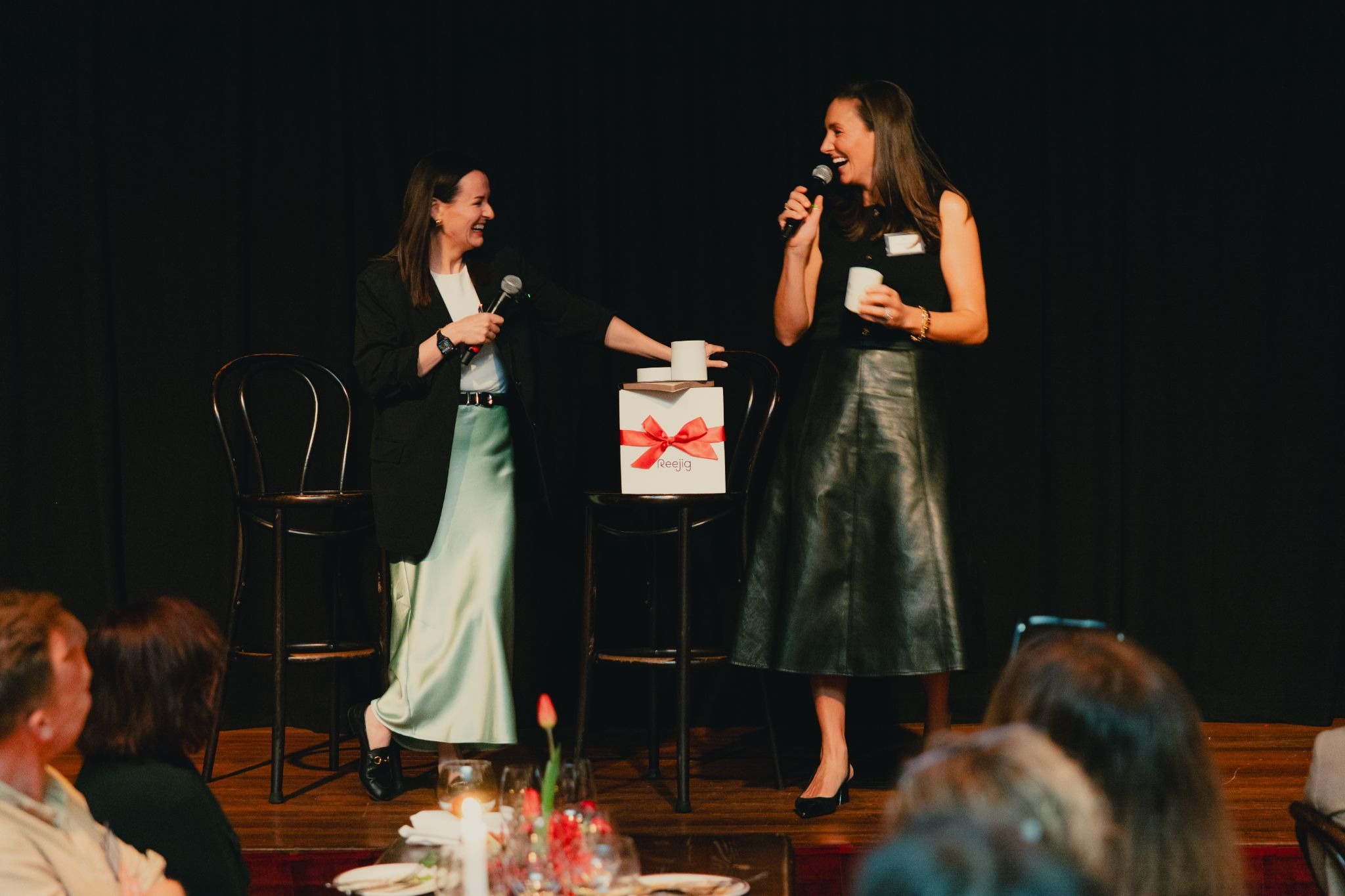
Q: What's the biggest mistake you've seen?
A: Two from her own company (that’s us! 👋). #1: She explained how Reejig fully automated outbound meeting-booking emails as an example - which tripped spam flags and tanked the domain's deliverability within about eight weeks, forcing a rollback to human-first. #2: We moved to an "everyone's a builder" engineering model where people shipped AI-generated code without review, causing a latency bug they couldn't find and a three-month recovery.
Key takeaway: skip job redesign and expectation-setting alongside an AI rollout, and you create real operational risk.
Q: How do I plan for the workforce when I don't know how AI will actually change it?
A: She explains to break it into layers: what AI can truly do versus vendor marketing; whether it clears governance and compliance for production; and the cost and value of people versus tokens. Then model what part of the work will actually change. Nobody has full certainty - so start somewhere, hold plans lightly, and be ready to pivot.
Q: Are leaders mindful this could cause real social disruption?
A: The customers she works with lead with "be bold but be responsible," and she steers away from clients who only want to cut headcount. The broader market may not share that care, and she expects government intervention or a hard course-correction if things go too far - another reason the Chief Workforce Officer role matters more than ever.
What the community is still working through
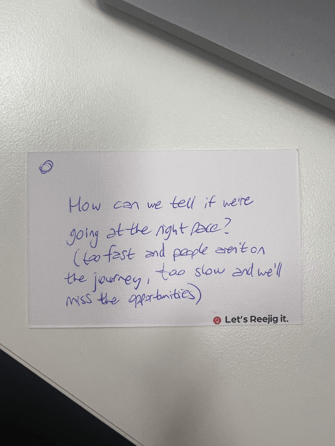
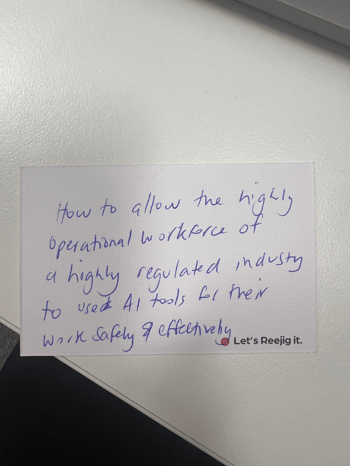
We asked everyone to write down the one question they're sitting with right now. A few that recurred:
- How do we workforce plan when we don't know how much AI will change the work?
- How do we tell if we're going at the right pace - too fast and people fall off, too slow and we miss the opportunity?
- What's the one thing an organization can do to make sure it gets a return on AI investment?
- How do we design work and roles to keep a sense of purpose and reduce the risk of cognitive atrophy?
- How do we let a highly operational workforce in a regulated industry use AI safely and effectively?
- Have we done enough on the social impact of a change this size?
If your burning questions about work in the AI era looks the same, you're not behind. You're exactly where the room was - which is the point of being in it.
Become an architect of this change
None of these questions get answered alone. They get answered by practitioners comparing notes, then sharing what worked so the next person starts further ahead. That's the community, and that's why we share what we hear.
But sharing findings is only the start. The method is what turns them into change you can lead - and that's what we teach in The Work Architect Course.
The Work Architect is a course for people who want to design this shift, not be redesigned by it. It's a proven method for building a workforce where people and AI work together - and it teaches you to:
- Map your work at the task level. See how work actually runs, not how the org chart says it does.
- Redesign it for people and AI together. Decide, task by task, what stays human, what's augmented, and what an agent takes on.
- Make the new shape stick. Build the case, the guardrails and the enablement so the redesign holds - and so your people know how to work the new way.
You walk away with a live map of your work, a redesign method you can scale, a defensible case for leading the AI workforce conversation instead of following it, and a place in the Builders community.
This is the career-defining version of the AI conversation: not a seat at the table, the architect of the whole thing.
We build the way the world works, with anyone who wants to build alongside us.

Reejig
Reejig Marketing

AI Work Design Blueprint
The responsibilities every CHRO must own to lead AI Work Design and build internal capability.