Why Aren’t We Admitting We Use AI?

Author: Siobhan Savage
Author

Siobhan Savage

Read Time
Read time

3 mins

Published Date
Published

Nov 5, 2024

Hero Thumbnail

Blog Post Body

Table of contents

Talk to a Work Strategist

See how the Work OS runs AI-powered work.

Subscribe to our newsletter

Learn how the world’s largest enterprises are rebuilding work for the AI era.

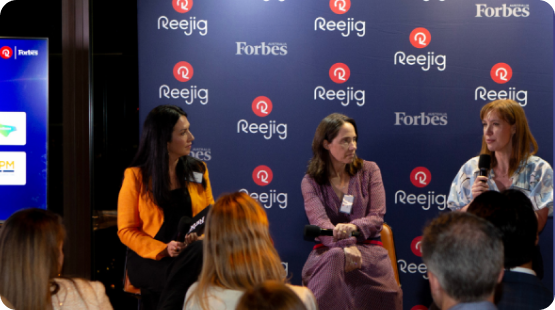
At the Bold and Responsible People Leader Summit a few weeks ago, an interesting conversation emerged. People aren't admitting they use AI.

We're finding that across industries, employees hesitate to say, "Yes, I used AI to do that." Whether it's fear of judgment or the misconception that using AI devalues their contribution, this reluctance holds us back.

Let's talk about it. In the room, we explored why this happens. What the impacts are. And most importantly, how we fix it.

The reluctance to talk about AI

In many businesses, there's an unspoken rule. Using AI is something to keep under wraps. Why? Because people feel that admitting they saved time with AI makes it look like they're not working hard enough. We're stuck in an old mindset. One where effort trumps efficiency.

The mindset shift we need: AI isn't replacing hard work. It's changing it. It lets us work smarter, faster, and more creatively. So why aren't we celebrating when AI helps us finish tasks in half the time?

Every enterprise is deploying AI. Almost none can see the work they're deploying it into.

Two big problems when we keep AI use secret

1. Missed learning opportunities. When people don't admit to using AI, they aren't sharing efficiency gains. Someone might have found a brilliant way to save 3 hours a week. But because they keep it to themselves, no one else benefits. If we don't openly discuss how AI helps us, we miss out. Those wins don't scale across teams and departments.

2. Discomfort in how work gets done. People feel uneasy about how they get work done. If someone uses AI but can't admit it, they question their own contribution. But here's the reality. If AI helps you get a task done faster, that's a win. Not a shortcut. The value is in the outcome. Not in how long it took.

Changing the culture: leaders set the tone

The way forward starts with leadership. If we, as leaders, are open about using AI, we create a culture where everyone feels comfortable. It's up to us to set the tone. Show that using AI isn't something to hide. It's something to share.

Think about it. When you ask someone how they're doing, how often do they say, "Oh, I'm just so busy"? We've created a culture where busyness equals success. But what are we really rewarding? Are we placing value on outcomes or just effort?

Still don't want to talk about it? I'll go first.

At Reejig, we openly encourage our teams to use AI wherever it makes sense. We pay for GPT-4o for our employees. We know it makes them more efficient.

I'll admit it. This newsletter was run through ChatGPT. That doesn't make it any less valuable. These are still my thoughts and opinions. The end result counts. Not how many hours it took.

Normalizing AI wins

If we want to normalize AI usage and truly realize our people's potential, the conversation starts at the top. Leaders must show they're comfortable with AI. They must actively encourage its use. Only then will employees feel confident sharing their own experiences.

I challenge you to start sharing your AI wins. Big or small. Did AI cut your research time? Did you use it to automate a report that used to take hours? Those are the stories we need to hear. That's where real growth and innovation come from.

Your turn. What's your AI win this week? Let's start the conversation. Make sharing AI success the new norm.

Author

Siobhan Savage
Siobhan Savage

Siobhan Savage

CEO & Co-Founder of Reejig

Talk to a Work Strategist

See how the Work OS runs AI-powered work.

Subscribe to our newsletter

Learn how the world’s largest enterprises are rebuilding work for the AI era.